Chatbot/Livechat
What is a Chatbot/LiveChat element?
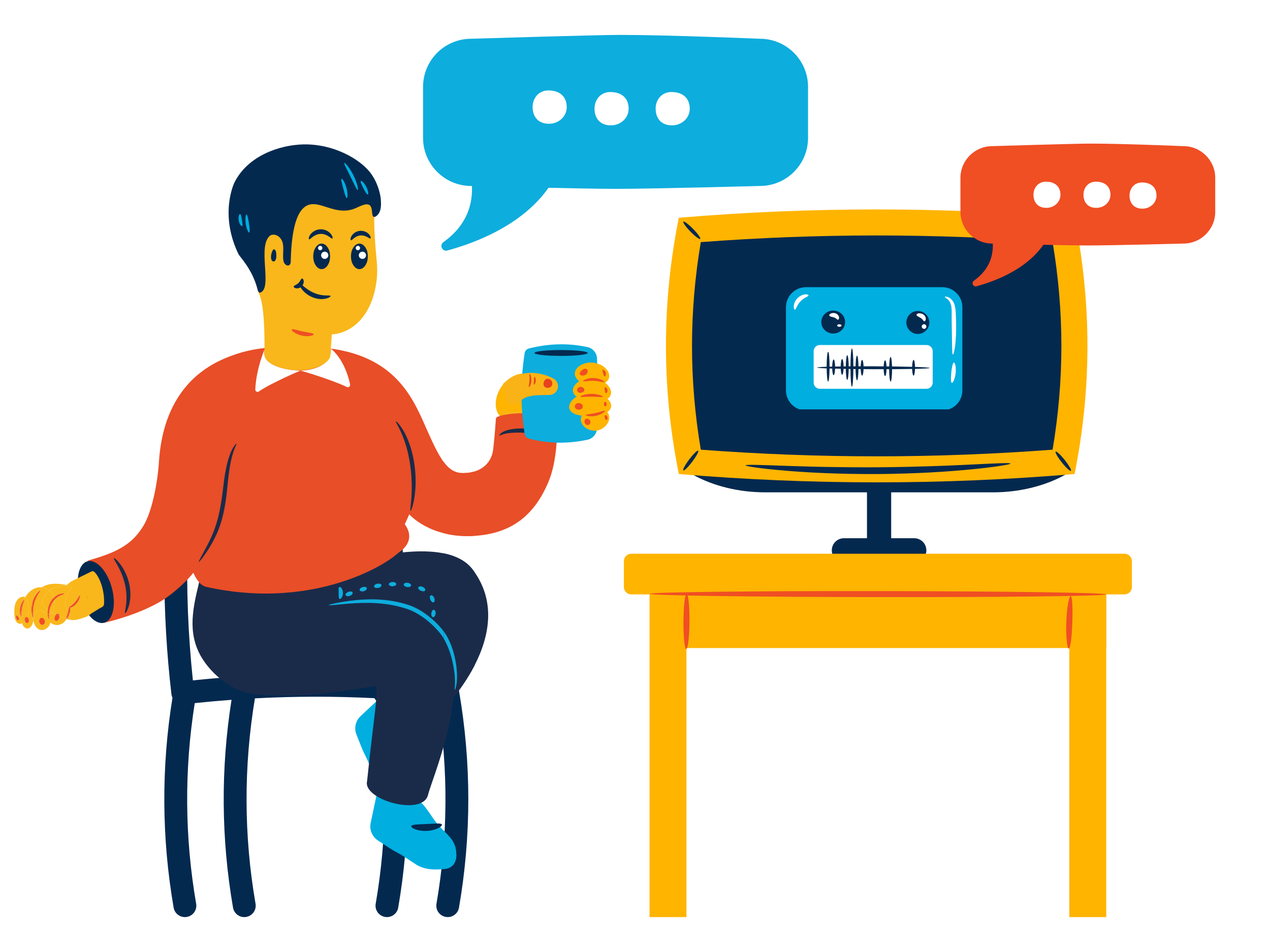
A ChatBot/LiveChat on a website is an interactive tool that allows real-time communication between website visitors and the business, often aiming to enhance user experience, customer support, and engagement.
What is a Chatbot?
A ChatBot is an automated tool that uses AI and pre-programmed responses to simulate human conversation. It is often used to provide quick answers, assist with frequently asked questions, or guide users through a specific process (e.g., making a purchase, booking an appointment). Chatbots can:
- Provide Instant Responses: Offer immediate answers to common questions, such as business hours, product details, or policies.
- Automate Tasks: Help with tasks like order tracking, scheduling, or gathering contact information.
- Use AI for Advanced Interactions: Some sophisticated chatbots can understand natural language, offering more personalized responses.
What is a LiveChat?
LiveChat refers to a real-time chat service where a human customer support agent interacts directly with website visitors. Unlike a ChatBot, LiveChat allows for personalized, real-time assistance. Features typically include:
- Real-Time Communication: Website visitors can directly chat with a support team member for help.
- Immediate Issue Resolution: Customers can ask questions or resolve issues without leaving the website, improving customer satisfaction.
- Proactive Chat: Some LiveChat systems can proactively initiate conversations based on visitor behavior (e.g., if a user spends a long time on a specific page or seems stuck).
Benefits with chatbot/livechat?
- Instant Support: Both ChatBots and LiveChat allow for immediate assistance, reducing the wait time for visitors.
- 24/7 Availability (for ChatBots): ChatBots can provide constant support, even when human agents are offline.
- Improved User Experience: Easy access to support or information without having to navigate away from the website.
- Lead Generation and Conversion: A chatbot or live chat can collect user information, qualify leads, and even assist in making purchases.
- Cost-Efficiency (for ChatBots): ChatBots can handle a large number of basic inquiries simultaneously, reducing the workload on human agents.
These tools help websites engage visitors, offer assistance, and create a more interactive, user-friendly experience.
Can you make a website with support options without a chatbot or livechat?
Yes, you can make a website without a live support as a chatbot or livechat. In this case it would be visibel contact info on the page – on a contact page, in the footer or header banner. Here costumers and website visiters are able to contact the business. This contact form will not be as effective and fast as the chatbot or livechat.
A ChatBot/LiveChat is better than just providing contact info on a website because it offers instant, real-time assistance, enhances user engagement, and is available 24/7 (for chatbots). It can proactively guide visitors, answer questions immediately, and qualify leads, improving customer experience and increasing conversion rates. Unlike contact info, which requires visitors to take action, ChatBot/LiveChat enables seamless, efficient communication directly on the website.
If a website only provides contact information, visitors may face several issues:
- Delays in Response: Visitors would have to wait for a response via email or phone, which can lead to frustration, especially if they’re seeking immediate answers.
- Frustration with Finding Help: Visitors may struggle to find the right contact method, leading to confusion or wasted time.
- Lack of Immediate Interaction: Without a ChatBot or LiveChat, visitors can’t engage in real-time for quick questions or assistance, which may cause them to leave the site without finding what they need.
- Higher Abandonment Rates: The absence of immediate assistance could discourage visitors from completing a purchase, filling out a form, or taking desired actions, increasing bounce rates.
- Inconvenient Communication: Visitors may need to leave the site or switch channels to contact support, which can disrupt their experience and result in lost opportunities.
Relying solely on contact information can create barriers to seamless communication and customer satisfaction.