Multi-language
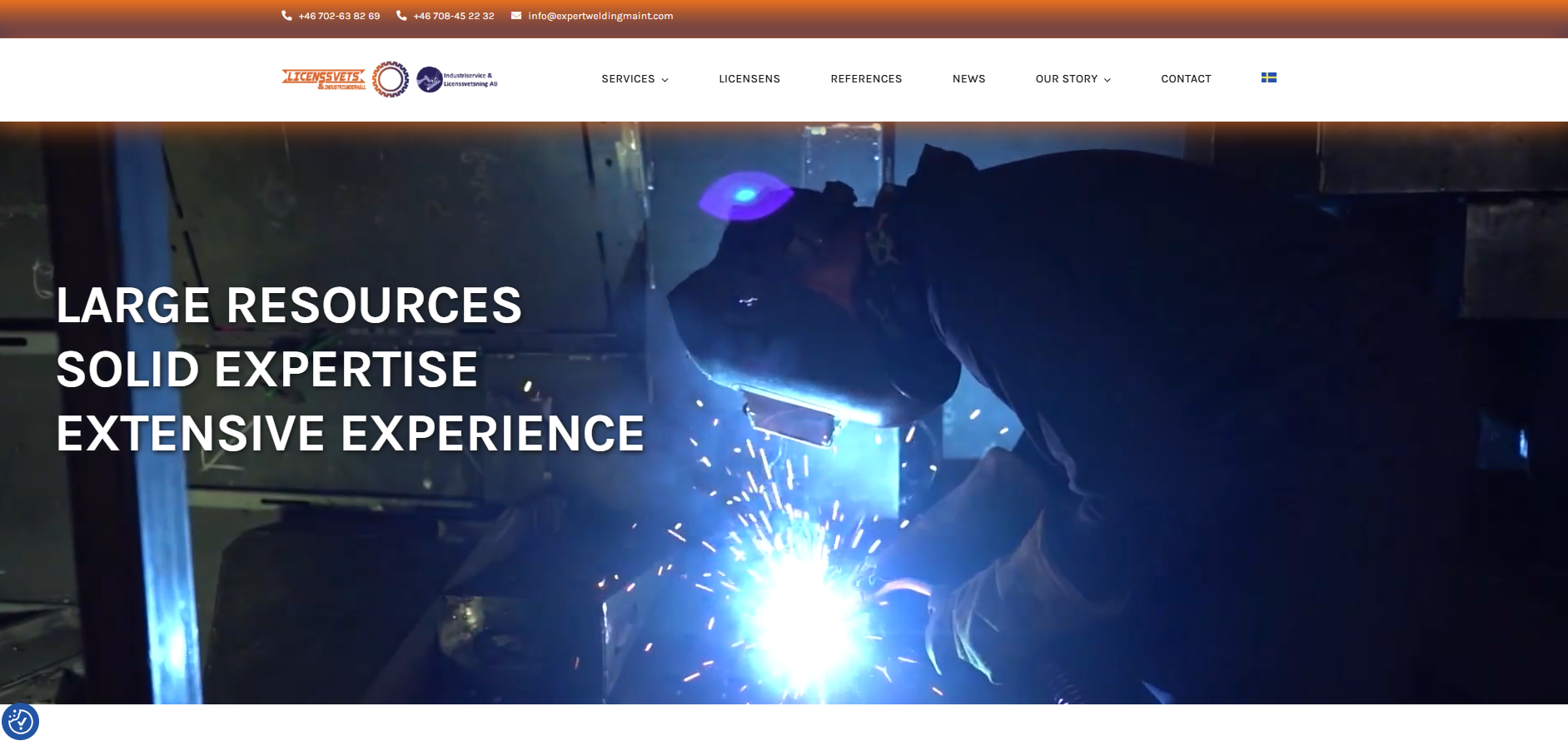
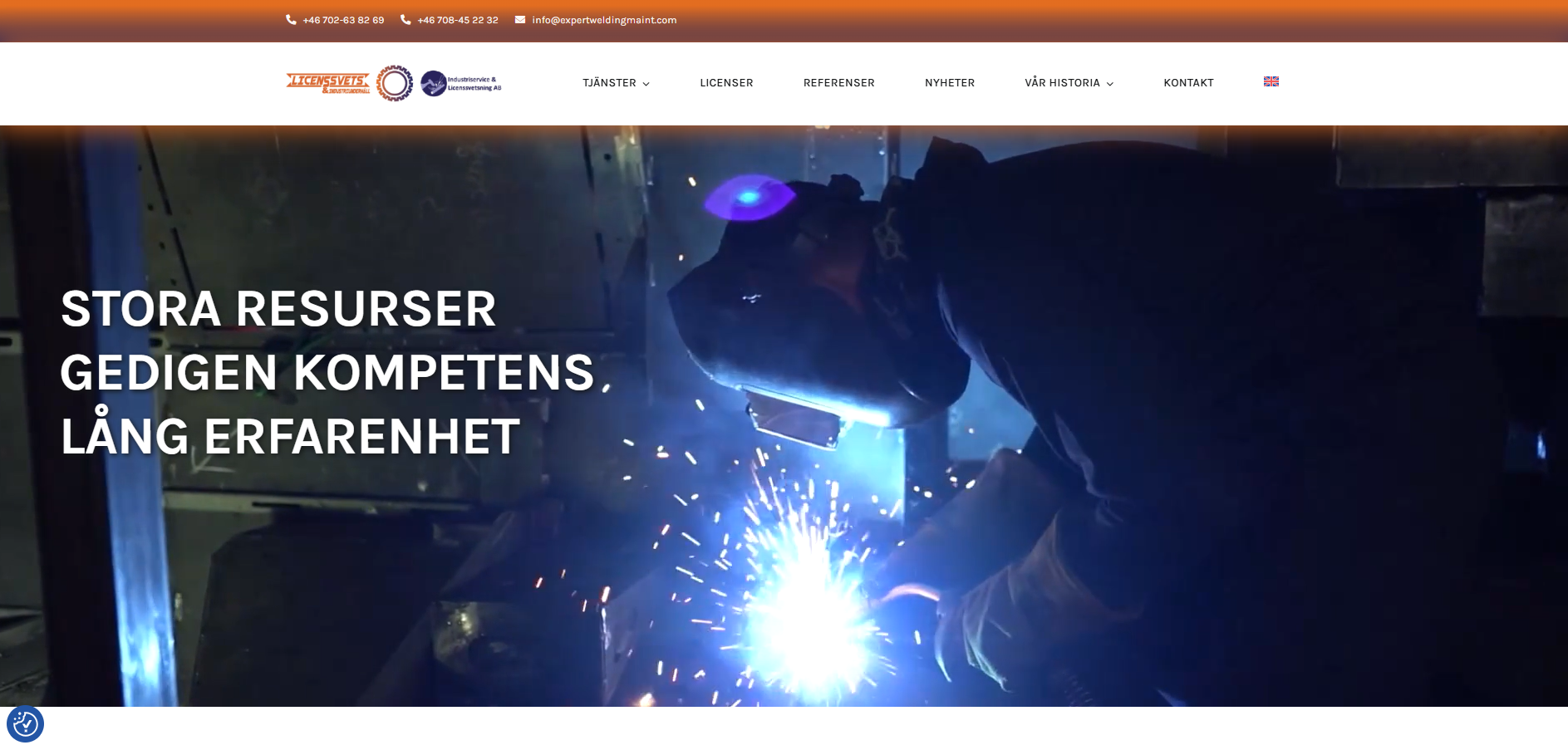
What is a multi-language website?
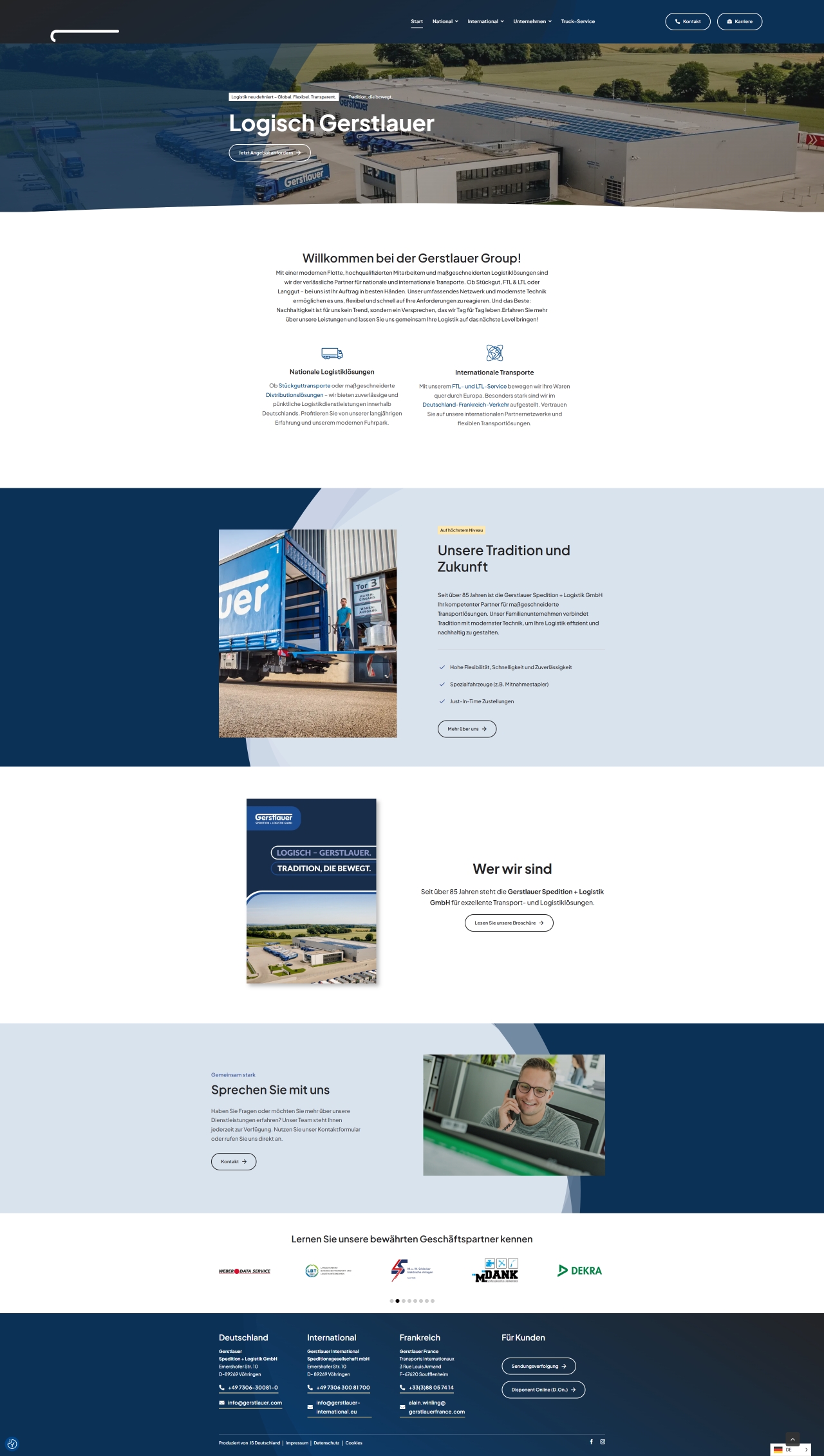
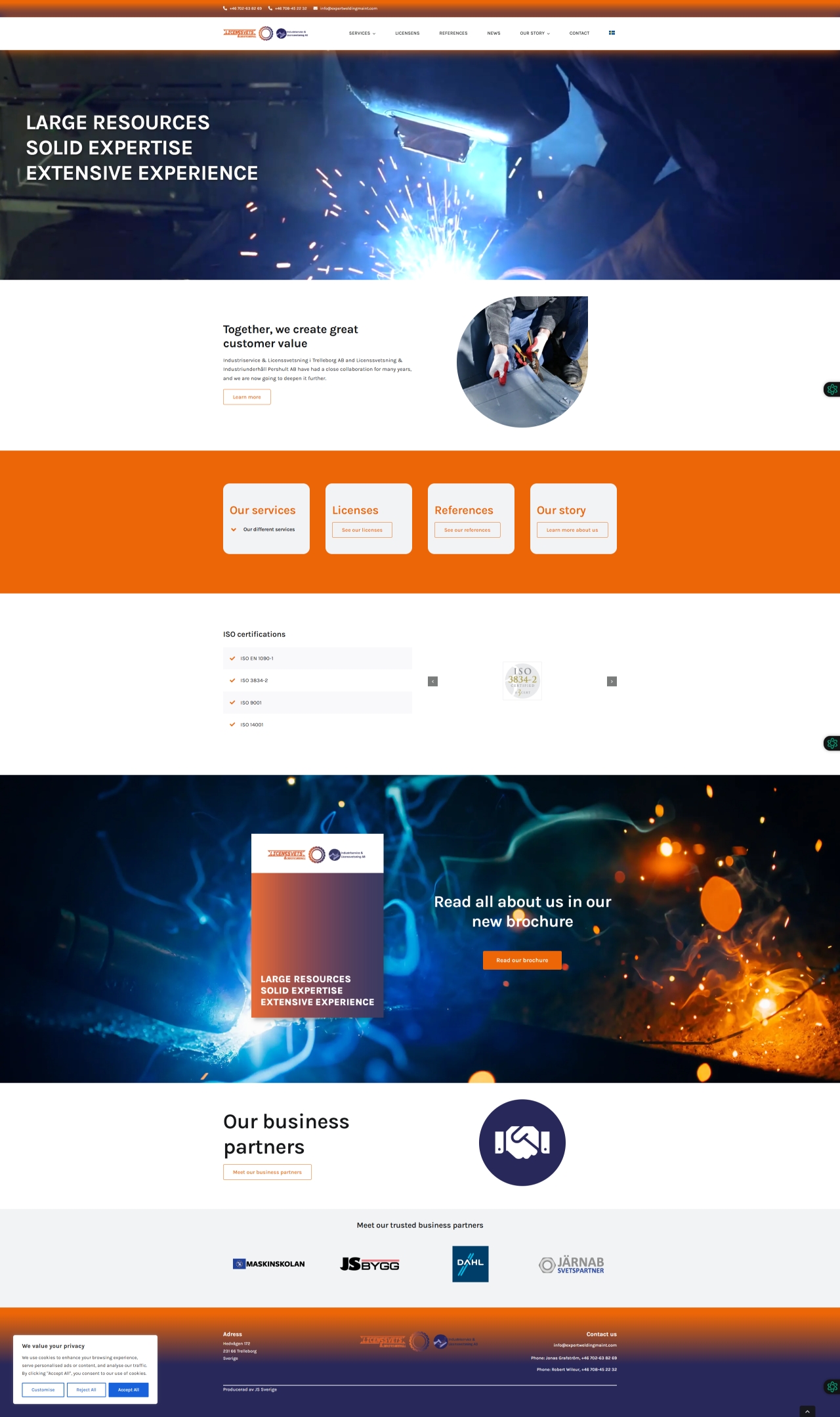
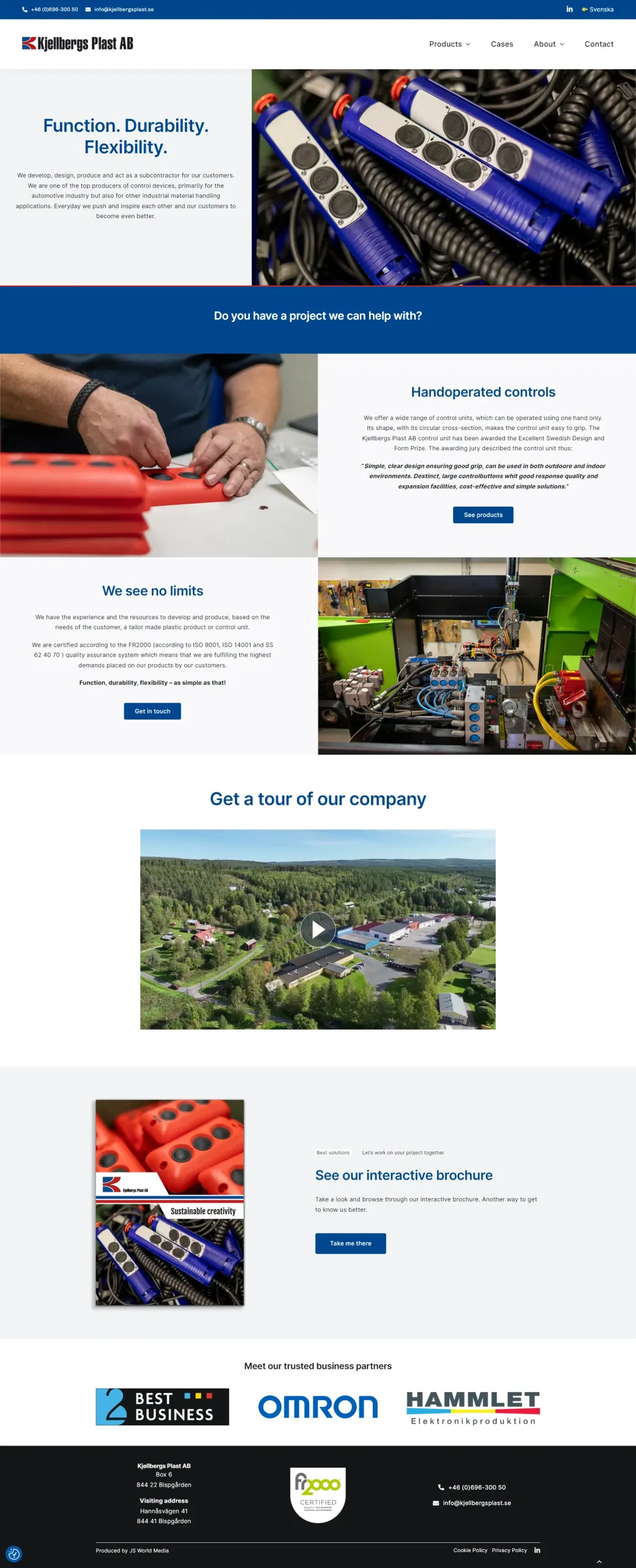
A multi-language website is a website that provides its content in two or more languages, allowing users from different linguistic backgrounds to access and interact with the site in their preferred language. This type of website is especially important for businesses or organizations with a global audience or operations in regions with multiple official languages.
Key Features of a Multi-Language Website:
- Language Switcher: A visible tool (often in the form of a dropdown menu, flags, or icons) that allows users to select their preferred language.
- Localized Content: Content is translated or adapted to fit the cultural and linguistic nuances of the target audience, beyond just direct translation.
- Separate Language URLs: Each language version typically has a unique URL structure (e.g., example.com/en/ for English and example.com/fr/ for French).
- Consistent Design: The layout and design remain consistent across languages, ensuring a seamless user experience.
- Right-to-Left (RTL) Support: If the website includes languages like Arabic or Hebrew, it supports RTL text formatting.
Benefits of a Multi-Language Website:
- Reaches a Global Audience: Displays completed work such as designs, artwork, websites, products, or services.
- Improves User Experience: Users are more likely to engage with content presented in their native language.
- Enhances SEO: Optimizing for multiple languages increases visibility in regional search engines and improves organic traffic.
- Builds Trust and Credibility: Offering content in multiple languages shows consideration for diverse audiences, fostering trust.
- Boosts Conversion Rates: Visitors are more likely to take action when they fully understand the content.
A multi-language website is essential for businesses and organizations aiming to connect with international audiences or operate in multilingual regions. It reflects inclusivity and professionalism while expanding reach and engagement.
Can you make a subpage or a website it different languages, without it being an upgrade?
Yes, you can create a subpage or a website in different languages without a language switcher, but it comes with certain limitations and considerations. Creating a multi-language website without a language switcher has limitations, including reduced user control, as visitors may struggle to find or switch to their preferred language. Discoverability can be a challenge if users aren’t aware other language versions exist. SEO optimization is more complex, requiring proper hreflang tags to ensure search engines index all versions correctly. Automatic redirection may help but could lead to incorrect assumptions about user preferences. Clear labeling of language versions and accessible links are critical to address these issues. While it is possible to run a multi-language website without a dedicated language switcher, it’s often less user-friendly and might affect the user experience and discoverability. A language switcher is highly recommended for simplicity and ease of use.